Writings

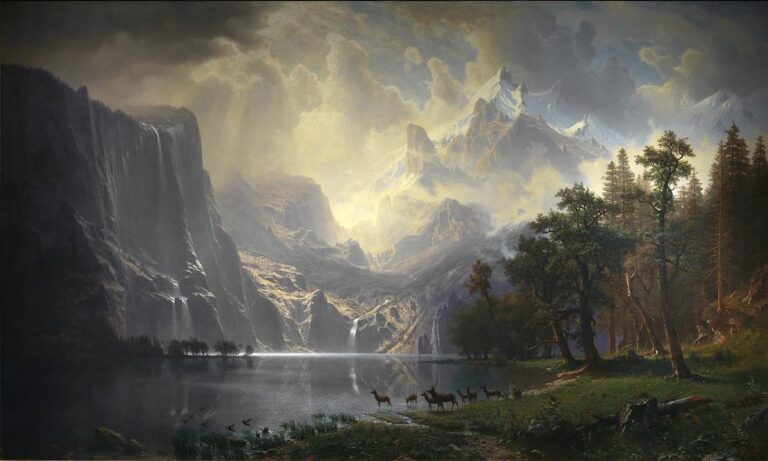
Albert Bierstadt's panoramic painting of the Sierra Nevada mountains, with towering sunlit peaks, dramatic clouds, waterfalls, a tranquil alpine lake, and deer along the wooded shoreline.

October 20, 2026

Perpetual Morning in America, a playlist

A summer swim-team playlist becomes an experiment in American history, music and memory. Sixty-six songs, three anniversaries, one difficult winter, and a Minnesota-made, Maryland disabled Dork-Dad exploring what the musicians sang about America—and what their songs reveal together.

Read more →
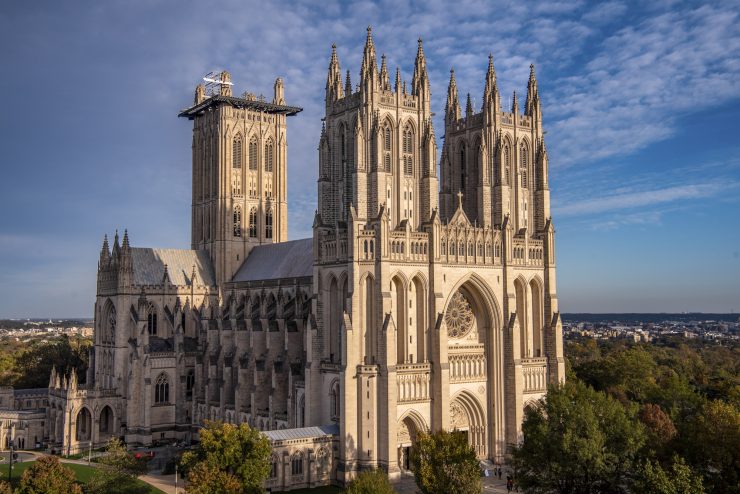
Elevated view of Washington National Cathedral in Washington, DC, showing its soaring Gothic towers, pointed arches, pinnacles, buttresses, and stone ledges against the city skyline.

October 19, 2026

A Peregrination Methodology, or perhaps tea first.

From peregrine falcons learning to dive above the Hudson to a spectacular pigeon encounter at Washington National Cathedral, a love letter to one of nature’s most extraordinary hunters—and a wandering historian’s discovery that sometimes an invitation to tea works better than a 200-mile-per-hour dive.

Read more →
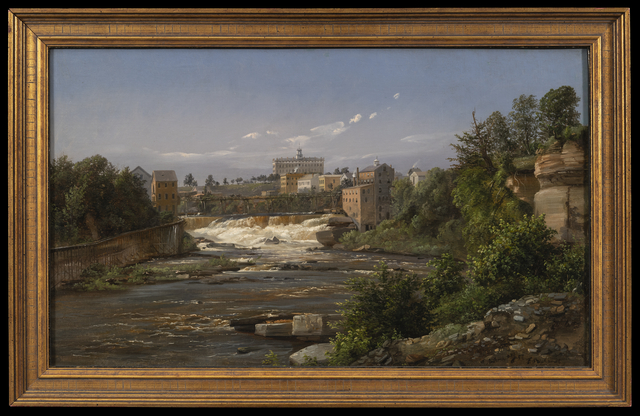
Ferdinand Reichardt's 1857 painting of St. Anthony Falls on the Mississippi River, showing cascading water, early mills, buildings, and the developing settlement of Minneapolis.

October 17, 2026

Kashrut on the Mississippi, or the lutefisk-crawdad line

From Minnesota lutefisk to Louisiana crawfish, a journey down the Mississippi exploring Jewish food traditions, American regional identity, and the peculiar ways inherited religious practices adapt to local culture. Two thousand miles, several thousand years of tradition, and one very questionable fish dinner.

Read more →
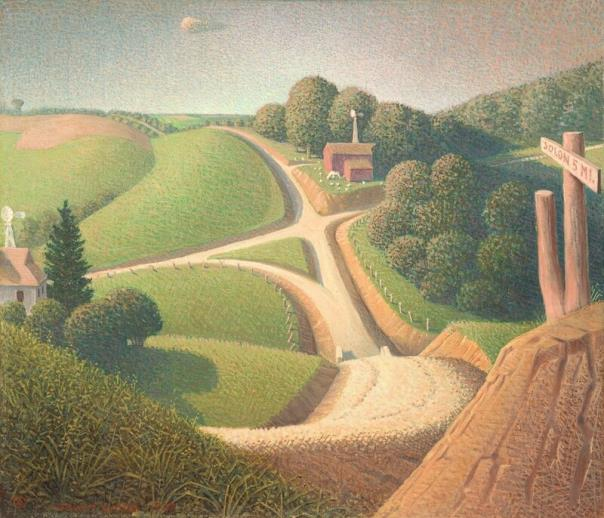
Grant Wood’s New Road (1939), depicting a newly constructed road winding through a quiet, rolling American landscape.

October 17, 2026

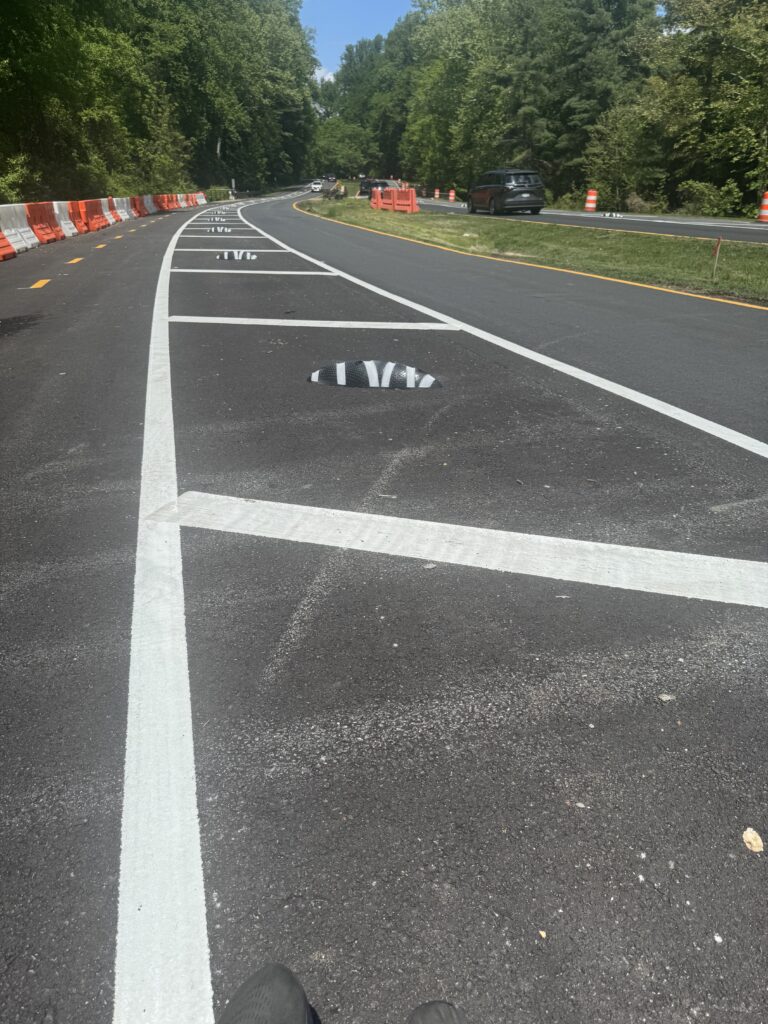
Chapter Six, or teshuvah as public works.

A Yom Kippur reflection on repentance, disability, and collective responsibility. Inspired by Portia Nelson’s Autobiography in Five Short Chapters, this essay asks what happens after we learn to avoid the hole in the road—and whether someone should return to repair it.

Read more →
Watercolor-and-ink illustration of a modern coffee shop table with a takeaway coffee, an eighteenth-century copy of Thomas Paine’s Common Sense, a black iPhone, and white AirPods.

October 5, 2026

The Revolution Will Require Minds at Work.

What if the technology we need after the social feed is an old one? From Thomas Paine to Gil Scott-Heron to artificial intelligence, a meditation on pamphlets, participation, disability, and putting expensive thought back into circulation.

Read more →
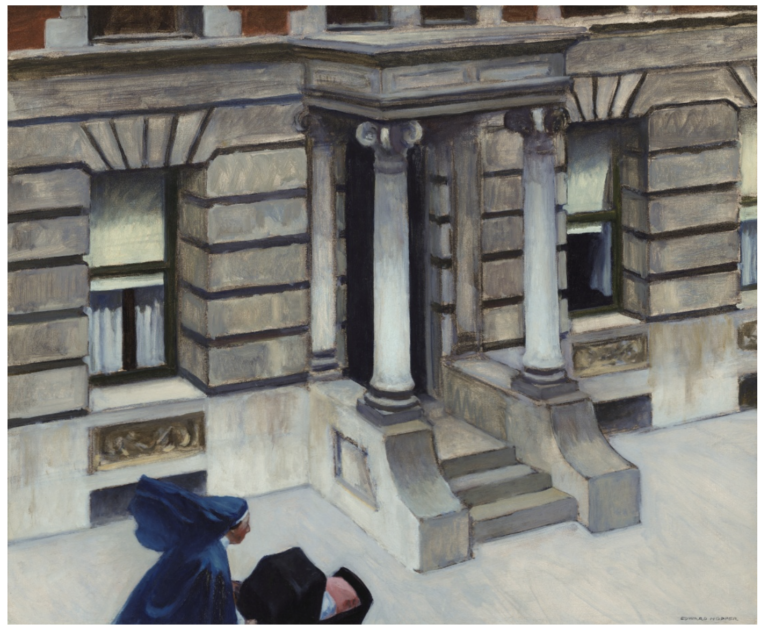
Edward Hopper's New York Pavements, showing a caregiver pushing a baby carriage along a city sidewalk below the steps of a large apartment building.

October 2, 2026

Pedestrian Ecology, or the sidewalk is not the system.

A sidewalk is a sidewalk problem. A tree is a tree problem. Stormwater belongs somewhere else. But the person trying to move through a community experiences all of them at once. Pedestrian ecology asks us to stop designing the pieces and start understanding the journey.

Read more →
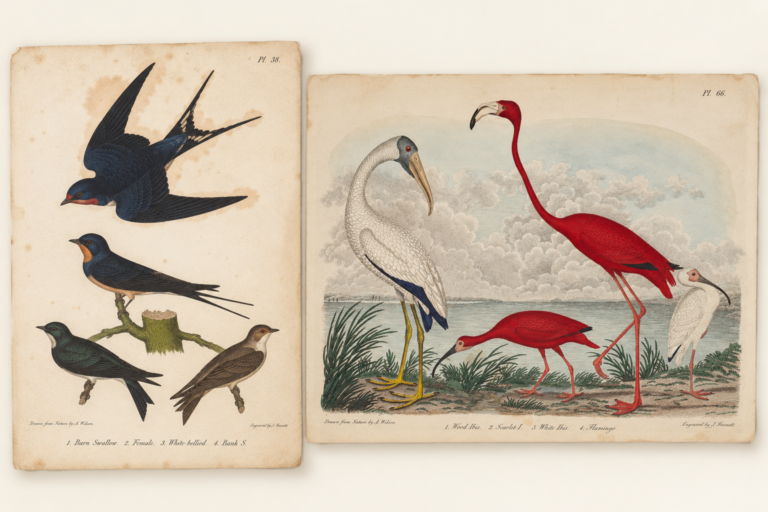
Composite artwork based on two plates from Alexander Wilson's American Ornithology: an 1812 plate of swallows at left and an 1814 plate of ibises and a flamingo at right.

October 1, 2026

Dual Diagnosis, or a grammar of birds.

Yale diagnosed me with two chronic conditions. One took years to acquire a name. The other came from a historian who told me I spoke “a grammar of birds.” Nearly thirty years later, I am beginning to understand what she meant.

Read more →