Writings

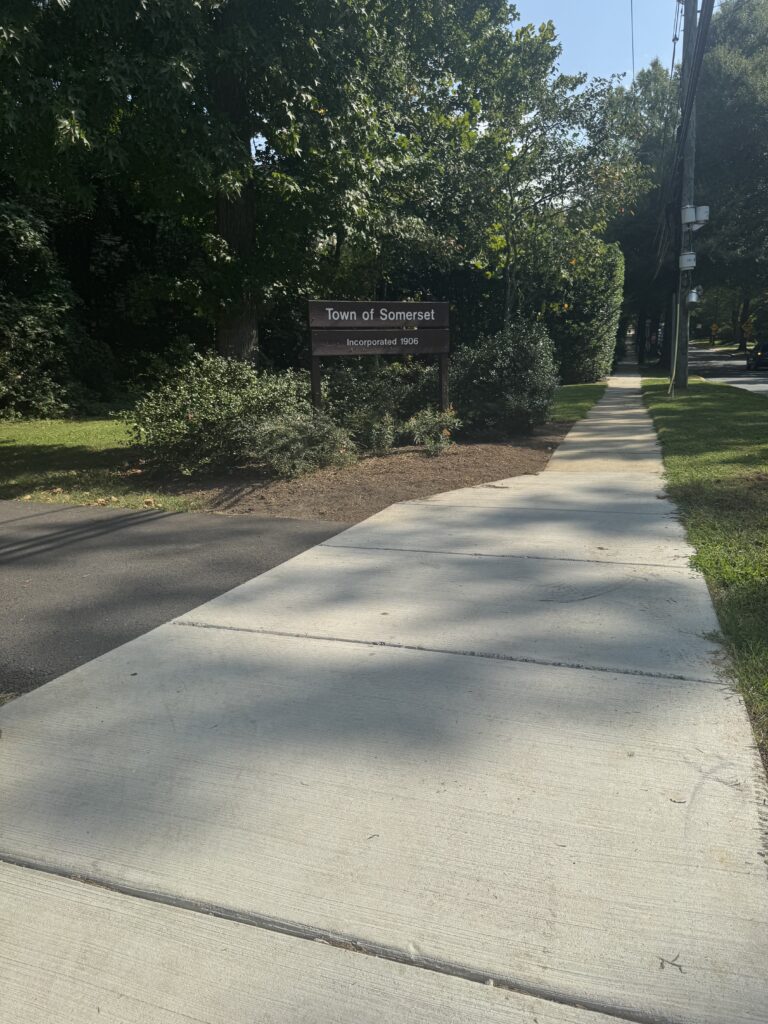
Sidewalk entering the Town of Somerset beside a town boundary sign and wooded parkland.

November 17, 2026

Knot Accessible America Begins at the Sidewalk of Accepting Less.

At the boundary between Montgomery County and the Town of Somerset, Maryland, a smooth, six-foot-wide sidewalk abruptly narrows by two feet. Why do Americans keep debating problems we already know how to solve? Drawing on disability scholarship, history, the experience of building things, and a few improbably helpful shorebirds, an argument for putting knowledge to work.
Read more →
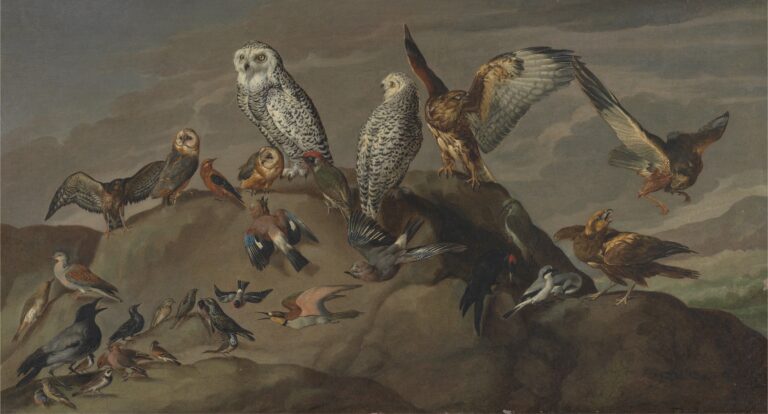
An imaginative nineteenth-century painting depicting an improbable gathering of birds, including owls, falcons, and other species, assembled against a landscape background.

November 2, 2026

What My Yale Education Produced, or a grammar of birds.

A return to Yale University after twenty-five years, an improbable collection of British birds, and a playful reconsideration of what an education makes possible. An affectionate tribute to the pleasures of scholarship, the persistence of curiosity, and the unexpected things we learn to see.

Read more →
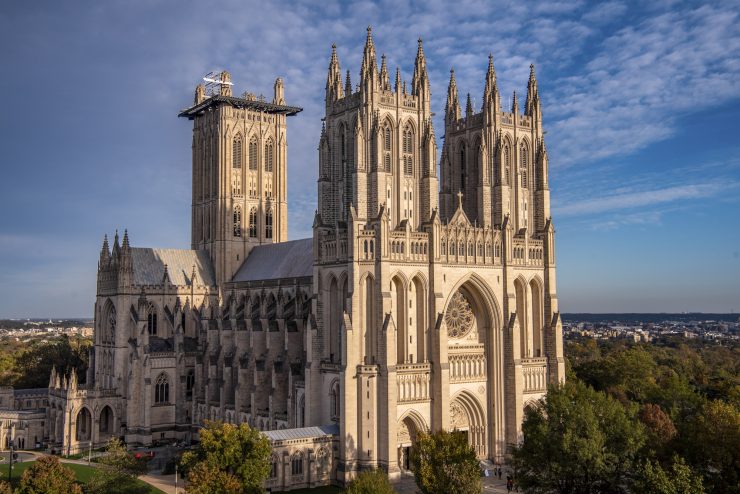
Elevated view of Washington National Cathedral in Washington, DC, showing its soaring Gothic towers, pointed arches, pinnacles, buttresses, and stone ledges against the city skyline.

October 19, 2026

A Peregrination Methodology, or perhaps tea first.

From peregrine falcons learning to dive above the Hudson to a spectacular pigeon encounter at Washington National Cathedral, a love letter to one of nature’s most extraordinary hunters—and a wandering historian’s discovery that sometimes an invitation to tea works better than a 200-mile-per-hour dive.

Read more →
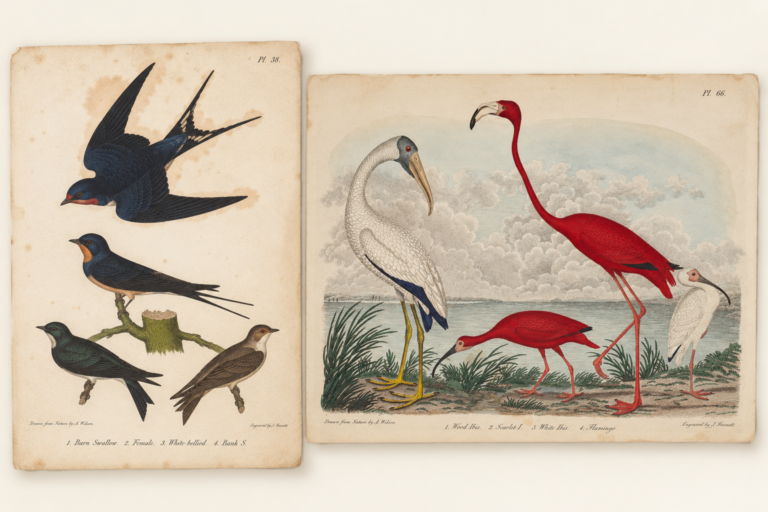
Composite artwork based on two plates from Alexander Wilson's American Ornithology: an 1812 plate of swallows at left and an 1814 plate of ibises and a flamingo at right.

October 1, 2026

Dual Diagnosis, or a grammar of birds.

Yale diagnosed me with two chronic conditions. One took years to acquire a name. The other came from a historian who told me I spoke “a grammar of birds.” Nearly thirty years later, I am beginning to understand what she meant.

Read more →
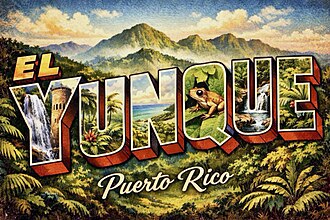
Vintage 1954 postcard showing the lush green mountains and tropical rainforest of El Yunque, Puerto Rico, beneath a blue sky.

October 1, 2026

In The Presence of El Yunque, a tourist tale.

A family trip to Puerto Rico begins with a possibly misidentified tody on a field-guide cover and somehow accumulates a rainforest bird quest, three late birdies, a Yale connection, and a mysterious golfer headed back toward El Yunque.

Read more →
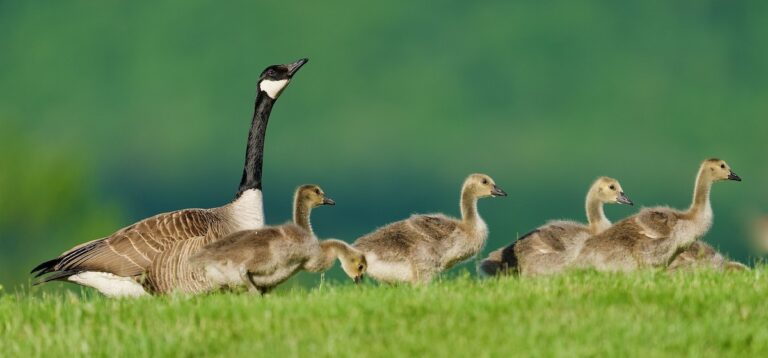
An adult Canada Goose stands upright on grass beside six growing goslings, several feeding or walking in different directions.

September 29, 2026

The Goose Belt, a summer ecology report. 

At Argyle Country Club, the Canada Geese have established a civilization of flexible borders, adolescent chaos, evening repopulation, and occasional interference with golf. Welcome to the Goose Belt—and the nightly Re-Goosening.

Read more →
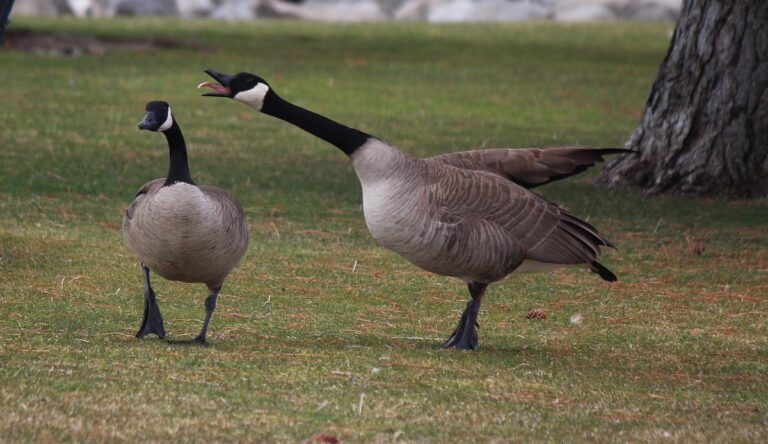
Two Canada Geese stand on grass beneath a tree, one with its neck extended and beak open toward the other.

September 28, 2026

The Gyle, or a newsletter tall tale.

A spring round of golf, a narrow bridge, an aggressively self-possessed Canada Goose, three suddenly strategic golfers, and one power wheelchair combine to produce an enduring piece of golf-course ornithology that may not, strictly speaking, be true.

Read more →

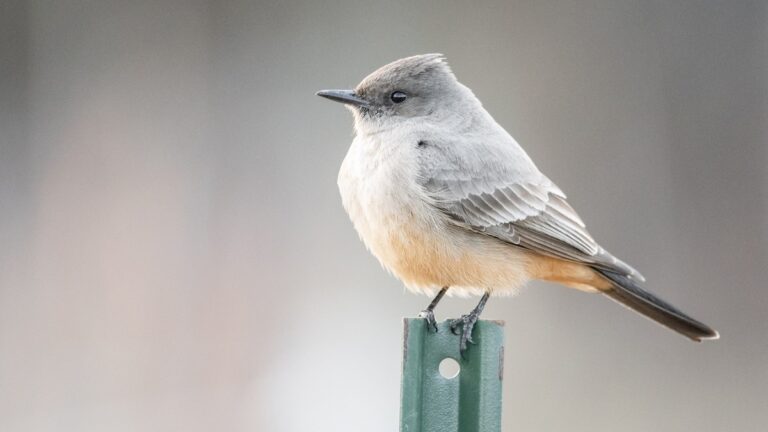
September 24, 2026

Things I Do Not Send to the Cornell Lab but Wish That I Could

A pressing ornithological question: Did Say’s Phoebe (Sayornis saya) have any influence whatsoever on Paul McCartney and Michael Jackson’s “Say Say Say”? There is only one surviving songwriter who can settle the matter—and, regrettably, the research window is closing.

Read more →
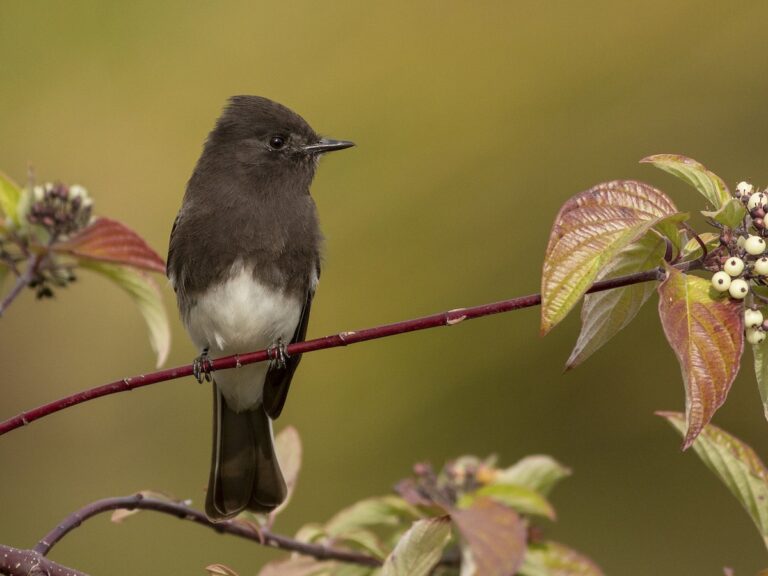
A Black Phoebe perches upright on a slender branch against a softly blurred green background.

September 17, 2026

The Luckiest Sayornis on Earth

A Black Phoebe at the Huntington Library and Gardens becomes an experiment in taxonomy, attention, and particularity—and a reminder that eventually every category gives way to one bird, on one branch.

Read more →