I trained as a historian of early America, studying how Americans made knowledge, institutions, communities, and arguments about themselves. Then I wandered off.
Or so I thought.
Fifteen years in commerce, technology, and product development taught me new ways to investigate what people need, what institutions provide, and why the two so often fail to meet. Eventually, I realized I hadn’t left American Studies behind. I’d simply acquired new evidence, methods, and perspectives.
The ventures, products, and writings emerging from The Coherence Portfolio mark a return of sorts. Some begin with old research. Others begin with birds, disability, religion, technology, a town meeting, or something that makes America strange enough to investigate again.
American Studies has always interested me most when different ways of knowing collide: history with lived experience, archives with landscapes, scholarship with the peculiar things people actually do. Commerce belongs here, too. Markets reflect cultural assumptions about people, their needs, and what they value.
Investigating those assumptions can reveal historical contradictions, overlooked needs, opportunities for invention, and occasionally the beginnings of a viable business.
Sometimes the result is an essay. Sometimes it’s a business. That’s American innovation and ingenuity.
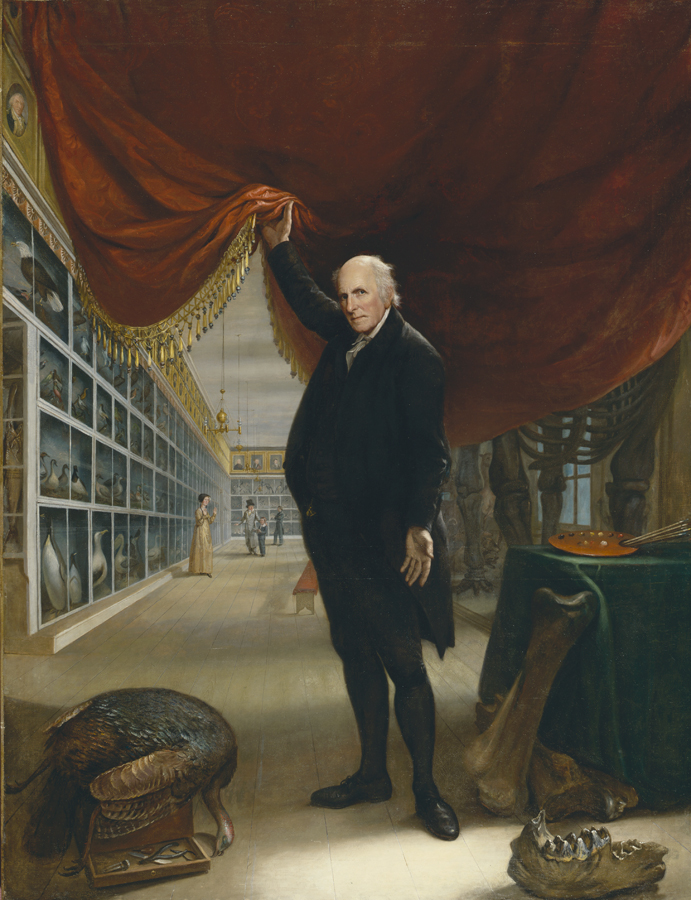
Charles Willson Peale, The Artist in His Museum, 1822. Peale pulls back the curtain on a cabinet of American wonders: art and animals, science and history, national heroes and ordinary visitors, all occupying the same room. An appropriately unruly entrance to American Studies. Courtesy of the Pennsylvania Academy of the Fine Arts, Philadelphia. Gift of Mrs. Sarah Harrison (The Joseph Harrison, Jr. Collection), 1878.1.2.