I did not set out to become a student of disability. For much of my adult life, disability was something happening to my body while I was busy doing other things.
Eventually, it became impossible to ignore.
Living with a progressive muscular disease has given me an education I did not consent to. I’ve spent decades discovering how bodies, technologies, institutions, and environments interact—and how often the world mistakes its own design limitations for limitations of the people navigating it.
My education in Disability Studies has been largely self-directed, combining lived experience with historical inquiry, technology, product development, and the practical business of getting through the day.
I’m particularly interested in the assumptions embedded in ordinary things: a doorway, a vehicle, a hotel room, a golf course, or a piece of software. These reveal whose needs are recognized, how markets are organized, and which opportunities remain unexplored.
Across The Coherence Portfolio, Disability Studies informs the development of products, services, and businesses built around needs conventional markets have overlooked.
Disability isn’t simply a problem to accommodate. It’s a source of knowledge, invention, and commercial opportunity.
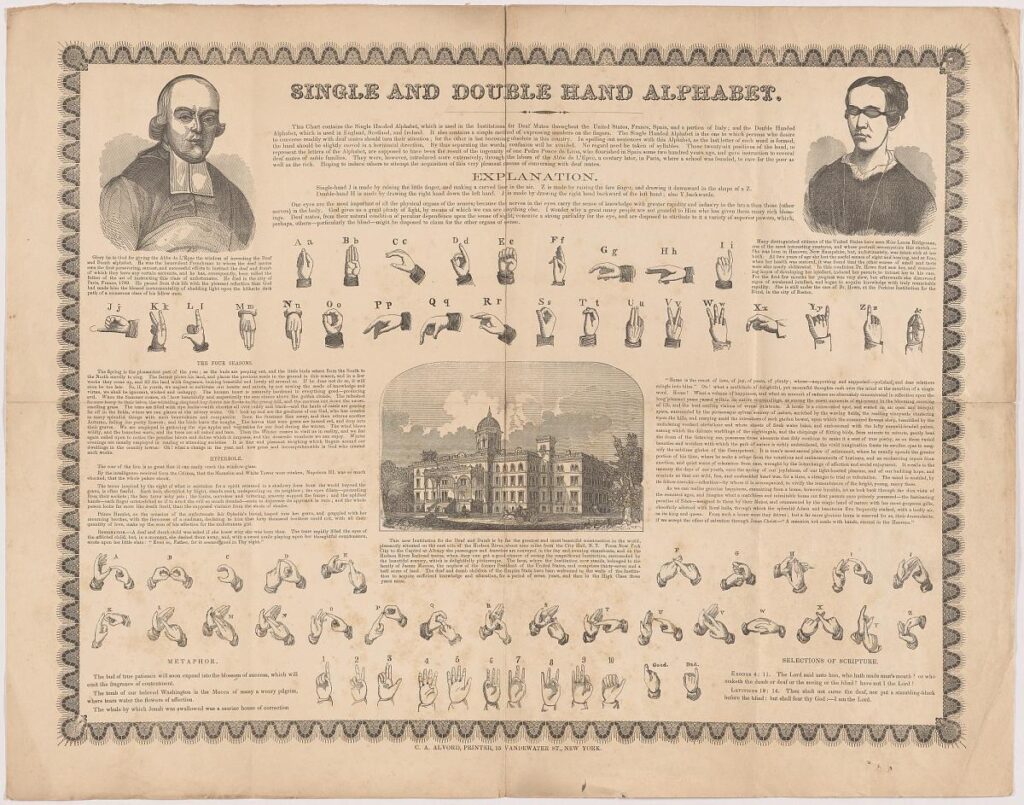
Single and Double Hand Alphabet, c. 1857. Pictured at upper right is Laura Dewey Bridgman (1829–1889), a pioneering deafblind American who learned to read, write, and communicate through touch. This illustrated alphabet represents the communication techniques that helped make her education possible—and challenged prevailing assumptions about disability and human intelligence. The hands are the technology; the alphabet is the bridge. Smithsonian National Portrait Gallery, NPG.82.42. View original.